5 Nonprofit Collaboration Examples and Fundraising Results
21 Apr 2026
Arts and Culture
When your nonprofit works with community stakeholders and even other organizations, you can amplify your impact, reach new audiences, and achieve greater success in advancing your mission. Now more than ever, collaboration is a necessary tactic for successful nonprofits.
Interested in nonprofit partnerships, but not sure where to start? The following examples, with a focus on arts, culture, and museums, showcase how collaborations effectively engage the public and improve fundraising results.
#1. Collaborative Arts Festivals
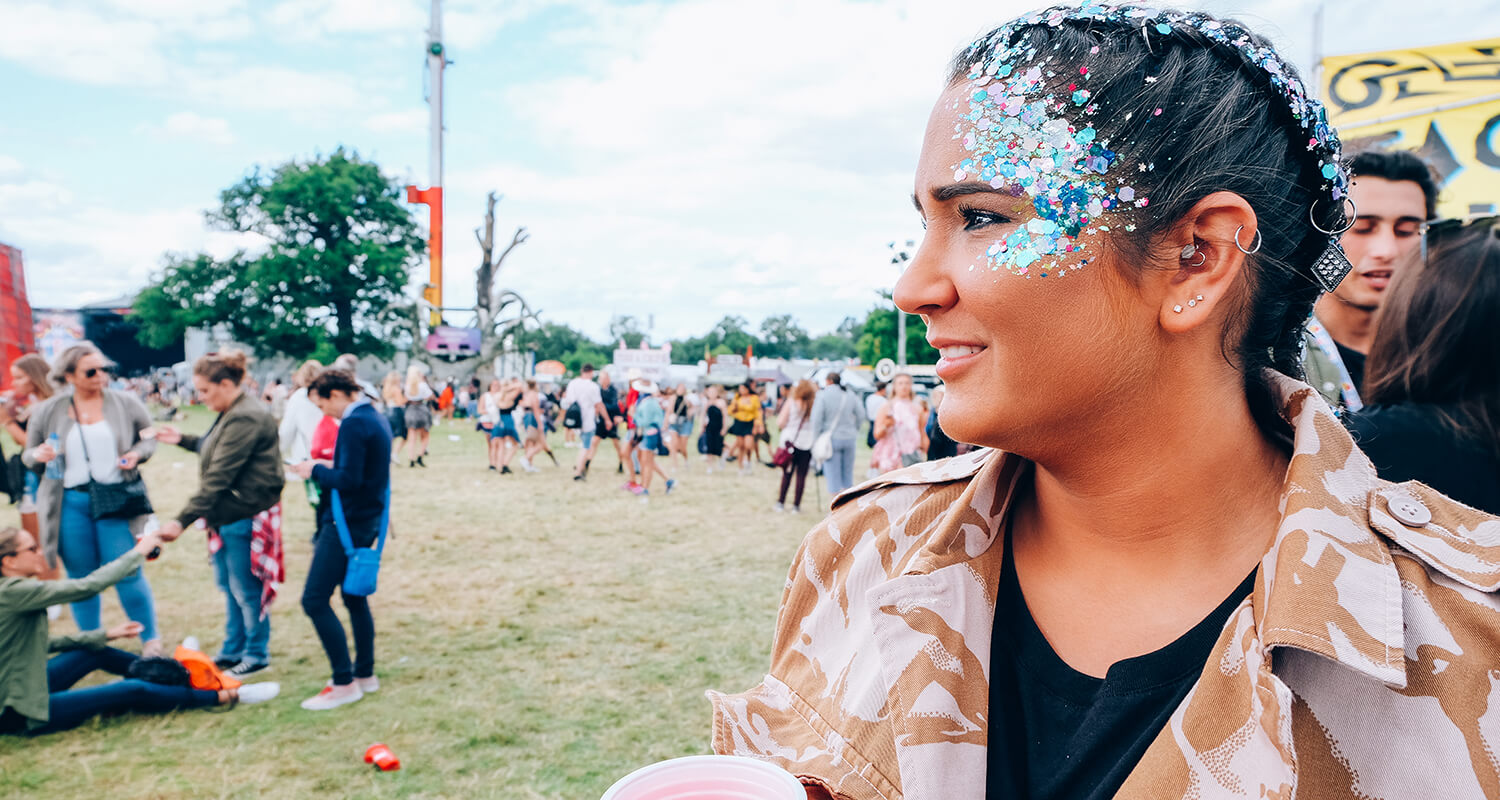
Nonprofit arts organizations frequently work together to host arts festivals that celebrate creativity and cultural diversity. For example, the Art + Sol Winter Festival (February 11–19, 2023) was a collaborative effort between some of the most prominent arts organizations in Santa Fe, New Mexico, namely the Santa Fe Pro Musica, Santa Fe Symphony, and Performance Santa Fe (now closed). A love song to the city’s vibrant community, the festival showcased a diverse array of visual, performing, and culinary arts.
In addition to offering varied programming, these three organizations pooled their resources and promoted the festival collectively. As a result, they attracted a broader audience and generated revenue through ticket sales, sponsorships, and merchandise.
#2. Museum Consortiums
Museums often form consortia to collaborate on exhibitions, educational programs, and outreach initiatives. One notable example is the Smithsonian Affiliations program, which connects museums and cultural organizations across the United States.
If you run a museum and partner with the Smithsonian Institution, you can access benefits such as traveling exhibitions, educational resources, and professional development opportunities. All these enhance your own museum offerings, thus attracting more visitors.
This type of collaboration leverages the community’s curiosity and desire for knowledge, and as a result, increases public engagement and strengthens the collective impact of museums nationwide.
#3. Community Arts and Initiatives
Nonprofit arts organizations collaborate with community stakeholders to develop arts initiatives that engage and inspire residents. For instance, the city of Detroit’s Arts, Culture, and Entrepreneurship office collaborates with neighborhood associations, schools, and local businesses to revitalize vacant spaces through public art installations. This collaboration has also produced events like art job fairs, talent shows, and live performances that bring the community together.
By involving the community in the creative process and fostering pride in local culture, community arts initiatives enhance public participation and support for the arts. They also attract donors and sponsors who value the arts' positive impact on community development.
#4. Performing Arts Collaboratives
Performing arts organizations often collaborate to produce performances and events that showcase a diverse range of talent. The Lincoln Center for the Performing Arts in New York City hosts the annual Summer for the City program, which boasts hundreds of mostly free or choose-what-you-pay events.
This festival is a celebration of movement and contemporary artistry and invites local and international visiting artists. By joining forces with organizations like the New York Public Library for the Performing Arts, this event attracts larger audiences, increasing ticket sales and improving fundraising through sponsorships, memberships, and donations. Collaborative efforts like these strengthen the performing arts ecosystem and enrich cultural life in communities.
#5. Fundraising Campaigns and Appeals
Nonprofit organizations across sectors collaborate on fundraising campaigns to mobilize support for shared causes and initiatives. A great example is the World Wildlife Fund, an animal welfare organization that collaborates with other conservation organizations to raise funds for wildlife protection projects. For instance, WWF has been working closely with Tribal Nations throughout the Great Plains in Montana, South Dakota, and Colorado to boost bison populations in the U.S.
By leveraging their collective networks and resources, these nonprofits engage individual and corporate donors, amplify their impact, and achieve greater fundraising success.
How Can Convergent Help with Nonprofit Collaboration?
Nonprofit collaboration is a powerful strategy for enhancing public engagement and community fundraising results. Whether through arts festivals, museum consortiums, community arts initiatives, performing arts collaboratives, or fundraising campaigns, these partnerships exemplify the transformative potential of strategic partnerships.
Want to know how collaborations can help your nonprofit? Turn to the experts at Convergent for guidance and support. With a proven track record of success in nonprofit management and an array of services including feasibility studies, development audit, and capital campaigns, we can help your organization achieve its goals and make a lasting impact in your community.
"I entered into the nonprofit field immediately after college driven mostly by a passion for outreach with teens. After launching a program in a local high school, I realized the importance and critical value of operations. I could invest my time in relationships with a handful of students, or I could invest it in systems that would enable scalability to reach hundreds of students. From that point on, my drive was systems and efficiencies that maximize the desired result.
I’m often kidded that this even overlaps into my hobbies and personal time. I want to find ways to be better and more efficient in everything I do. At Convergent, I get to fulfill this desire every day. I work with our team of skilled professionals to help increase the impact of the nonprofit organizations we work with in communities across the country."
Brian has developed a broad range of nonprofit experience through his career. He has led launches of local chapters for international organizations, directed the operational aspects of brand-new nonprofits, and developed cross-sector partnerships to identify innovative solutions for community development.
Prior to joining Convergent, Brian served as campaign director with a regional firm that managed capital fundraising campaigns for nonprofits. There he focused on building, scaling, and executing complex projects while developing systems to drive operational efficiencies.
Every nonprofit organization has an important mission but not many can quantify and communicate the value proposition of the impact they desire to achieve. Brian has helped organizations across various sectors develop case statements and impact strategies to effectively communicate their outcomes to key stakeholders and investors. At Convergent, Brian works closely with our project directors on strategic direction, day-to-day operations, expense control, and ultimately fundraising success for our clients
Brian resides in Buford, Georgia, with his wife, two daughters, one dog, and eight chickens.
Summary of Experience
VP of Operations at First Community Development, supervised entire operations staff of fundraising professionals and multiple capital campaigns.
Led development of a coalition of community leaders from various sectors to create Breakthrough Norcross — a collective impact initiative focused on improving educational and economic outcomes for students.
A member of Leadership Georgia class of 2019.
Elder and Treasurer at Emmaus Church.
BA in Business Management with an emphasis on Marketing from Carson-Newman College in Jefferson City, Tennessee.
Completed graduate level coursework at Moody Bible Institute and Reformed Theological Seminary.
By Andy Coe, Principal at Convergent Nonprofit SolutionsA focused approach is essential for attracting successful businesses. Mid-sized communities that pursue broad recruitment often weaken their competitive position. Aligning assets with targeted industries increases success rates and minimizes wasted effort.Industry clusters offer measurable advantages. Shared suppliers, skilled labor, and compatible infrastructure...Continue Reading
By: Clint NessmithI’m writing this from the Centurion Lounge in Concourse D at DFW, en route to Sacramento for Invest EDO’s annual summit, where I will be sharing industry trends and best practices and the outlook for 2026 with some amazing economic development professionals. Back in December, I predicted that 2026...Continue Reading
With capital campaigns being multi-year commitments that can raise transformative funding for nonprofits, it’s natural that mission-driven organizations reach out to expert professionals for assistance with their upcoming campaigns. That’s where the capital campaign consultant can lend you their expertise and experience.Capital campaign consultants offer a range of services related...Continue Reading
Share
Testimonials
Andrew Keenan
“The fact that Convergent could make the ask was huge. Working with our director and joining solicitations made me a better fundraiser – that was the right formula for us. Moving forward I feel much more confident in making asks and telling our story, and that is going to make us more sustainable in the long run.”
Andrew Keenan, Executive Director Callanwolde Fine Arts Center | Atlanta, GA
Lisa Zaken
“In the span of six short months, our Board went from being nervous about the initial campaign investment to being ecstatic with the attainment of our goal, and our subsequent stretch goal! Convergent can do it like no other. Their system is rigorous and extremely effective. We have nothing but great things to say about this organization!”
Lisa Zaken, President & CEO Leadership Gwinnett | Duluth, GA
Dion Davis
“The strategy and support offered by Convergent helped our Board expand its vision for the Foundation, which in turn helped to refocus and redefine our organization's impact in our community. The methodology behind their capital campaign process not only helps to raise more money in the immediate, but it also builds best practices for long-term investor relations and lays groundwork for the success of future funding initiatives.”
Dion Davis, Former Executive Director Jekyll Island Foundation | Jekyll Island, GA
Robin Mauck
“Working with Convergent has been a pleasure all the way around. Their approach is customized to your organization and their expertise is unmatched in the field. The Convergent team immersed themselves in our process, culture, and goals to provide exceptional value during our campaign. They truly walk alongside you every step of the way!”
Robin Mauck, Executive Director Obria Medical Clinics Gwinnett | Lawrenceville, GA
Aimee Hall
“I loved working with Convergent. I never could have done what Convergent did. If you want to run a successful campaign, you need to bring in that expertise. Thanks to their help, our capital campaign really took us to the next level within our community.”
Aimee Hall, Executive Director Safe Homes Domestic Violence Center | Augusta, GA
Phillip Aldridge
“I wanted to thank everyone from the Convergent team who assisted in our campaign. Of the varying ways the campaign’s success may be measured, I count it a blessing that we achieved what we did. Not just the funds committed but the contacts made, the level of exposure reached, and ultimately, what the funds and exposure mean in terms of how many more we now serve as a result. My thanks is in recognition and appreciation for Convergent serving as our fundraising counsel and for the patience and professionalism demonstrated throughout the campaign. You were a godsend for Valley Healthcare!”
Phillip Aldridge, Board Chair Valley Healthcare System | Colombus, GA
Jeff Taylor
“Early in our campaign feasibility study it became apparent that we lacked the Asking Rights necessary to conduct a capital campaign. As a result, Convergent’s knowledgeable consultants prepared an extensive plan of action that is a road map for growing our awareness and philanthropy. A successful capital campaign will be possible in the near future. Their entrepreneurial approach will definitely get you where you want to go.”
Jeff Taylor, CEO MedCura Health, formerly Oakhurst Medical Center | Stone Mountain, GA
Giving USA 2026 is being celebrated as a banner year. Look underneath the headline and a different story emerges — one that explains why an investment-driven approach to fundraising matters more now than at any point in the last 40 years.Americans gave a record $617.20...
Many nonprofits struggle with unpredictable fundraising cycles, relying on short-term grants, annual campaigns, and event-based revenue streams. This reactive approach leaves organizations vulnerable to economic shifts, grant expirations, and donor fatigue. Your nonprofit may be feeling this stress right now, given the uncertainty in federal...
With capital campaigns being multi-year commitments that can raise transformative funding for nonprofits, it’s natural that mission-driven organizations reach out to expert professionals for assistance with their upcoming campaigns. That’s where the capital campaign consultant can lend you their expertise and experience.Capital campaign consultants offer...
FOR IMMEDIATE RELEASEMarch 1, 2026For more information, contact:Brian Abernathy, General ManagerEmail: babernathy@convergentnonprofit.com Phone: 678.835.8735 ATLANTA, GA — At the International Economic Development Council Leadership Summit, March 1–3, Convergent announced its merger with Resource Development Group. Effective immediately, RDG will operate as RDG, a Convergent Company. This partnership unites...
Since nonprofit organizations rely on gifts from donors to support their mission, a thorough fundraising strategy is critical. However, even nonprofits with thorough funding plans run into obstacles at times, resulting in unmet goals and worries about sustainability and long-term plans.Whether you’re encountering times of...









.png)