An estimated $100 trillion will transfer from Baby Boomers and the Silent Generation to younger generations in the coming decades. Current projections suggest that roughly 14 percent could flow to nonprofits.
At the same time, donor counts continue to decline even as total giving inches upward. That tension defines the moment. Nonprofits should not wait for estate notifications to ensure their future. Planned giving efforts should continue to focus on consistent, relationship-driven conversations rather than complex marketing efforts.
Begin these conversations early and involve the next generation.
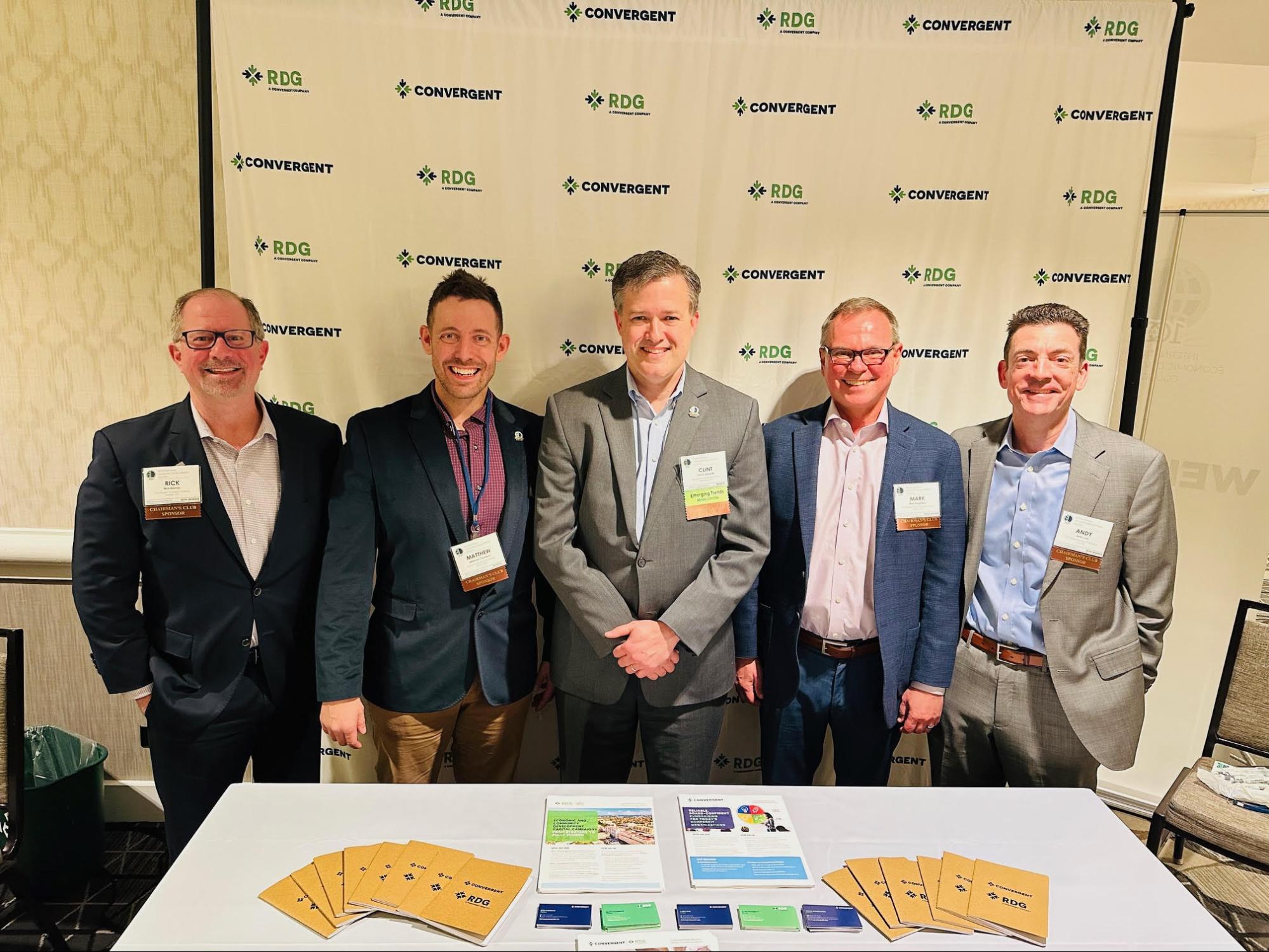
As Brian Abernathy, General Manager of Convergent, shared in our recent 2026 philanthropic preview webinar, “You build the relationships before a donor’s capacity is ever built. You never know when they’re going to be the big one.”
Start Planned Giving Conversations Early
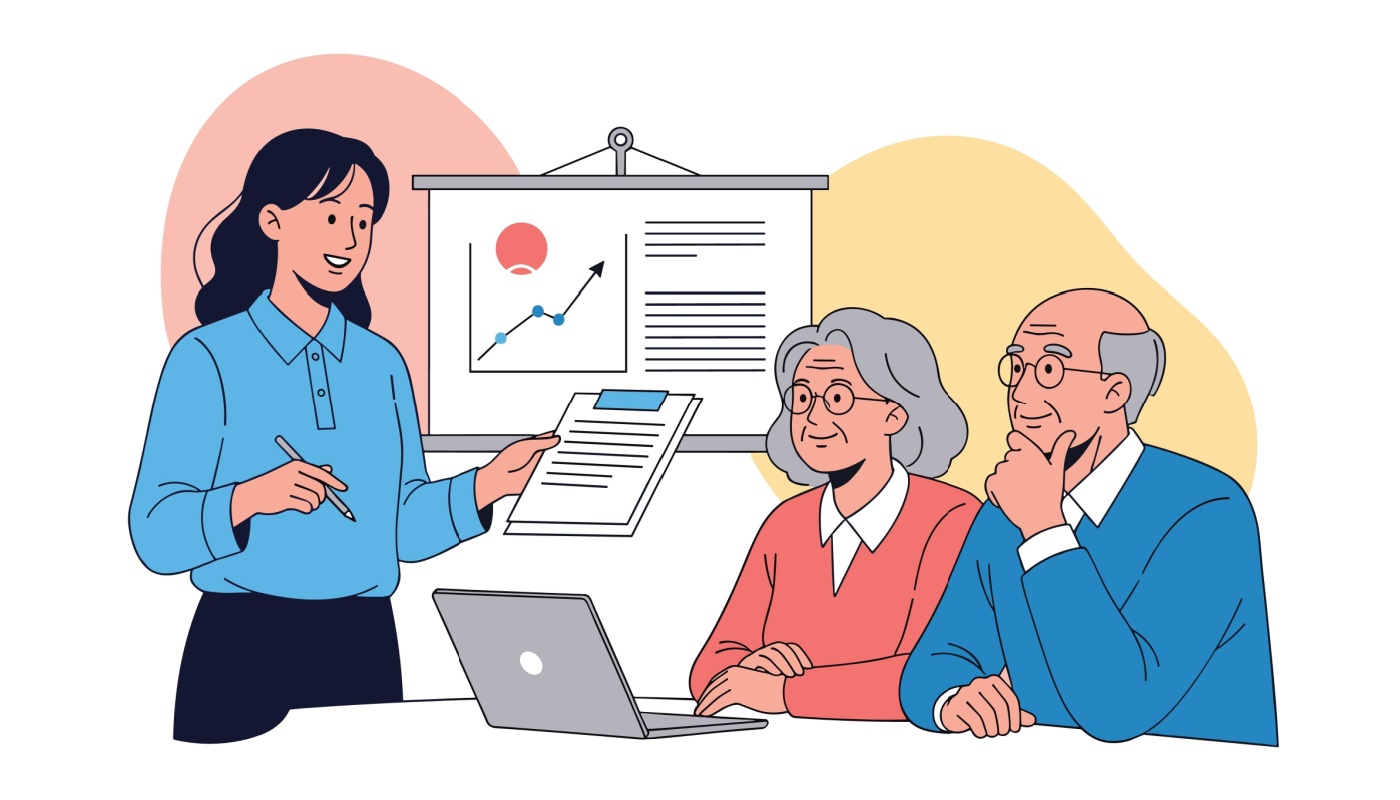
Planned gifts are mostly straightforward and often take the form of simple bequests in a will. They do not require complex instruments or costly campaigns; instead, they rely on trust and clear communication.
Andy Brubaker, Funding Strategist at Convergent, stated during the webinar, “Planned giving doesn’t require all these bells and whistles. When’s the last time one of your fundraisers just asked the donor or investor what they might consider for a planned gift?”
Make this question a standard part of donor engagement by including it in annual visits and providing a response option for estate inclusion. Encourage potential donors to share their legal name, address, and EIN with financial advisors to streamline the process.
Do not make assumptions about donor capacity. Modest annual donors may possess significant future assets. Generational wealth transfers are often missed in screening data, while relationship depth is frequently a stronger indicator than wealth metrics. “Past owner loyalty does not automatically pass to their heirs,” said Brubaker.
Adapting to Generational Preferences
Effective legacy strategies require understanding generational preferences. Each generation approaches philanthropy differently. While these are general trends rather than strict rules, they give valuable guidance.
Baby Boomers (62 – 80 Years Old)
Baby Boomers appreciate transparency and accountability. They want regular updates, prefer direct mail and email, and look for clear financial stewardship before making legacy commitments.
Generation X (46 – 61 Years Old)
Generation X is highly engaged: they serve on boards, volunteer, influence peers, use digital payments, and join peer-to-peer fundraising.
Engage Generation X in governance and planning discussions. Their prime earning years position them as strong candidates for major gifts and legacy commitments.
Millennials (30 – 45 Years Old)
Millennials value digital access and visible impact. Sixty-five percent prefer to give multiple times per year, making recurring giving programs effective.
They seek testimonials, measurable outcomes, and regular updates. Present legacy giving as part of a long-term partnership, rather than a final step.
Gen Z (14 – 29 Years Old)
Generation Z combines digital fluency with hands-on involvement. Over half are willing to fundraise for causes they support.
Many are volunteers. Engage them with hybrid events, peer networks, and clear impact reporting. Early conversations about values and long-term vision lay the groundwork for future estate commitments.
Amy Sexton Stanislavski, Senior Project Director at Convergent, emphasized this balance during the webinar. “Celebrate them now. Don’t wait.” Recognition during a donor’s lifetime reinforces a feeling of connection and extends relationships across families.
Balance Endowment Goals With Annual Funding
The wealth transfer will not fund next year’s operating budget. Endowment growth and complex asset gifts remain important, but they cannot replace disciplined annual fundraising.
You cannot run an organization in the hope of a future estate gift. You must cultivate the next generation of major donors now while stewarding current supporters with care.
Retention deserves urgent attention. Q1 2025 data from the Association of Fundraising Professionals (AFP) shows donor counts declining while total dollars increase. That pattern signals concentration risk. Deep cultivation, consistent communication, and family engagement must anchor the strategy.
Legacy strategy in 2026 demands simplicity, courage, and consistency.
- Ask clear questions
- Listen carefully
- Build relationships that span generations
- Align legacy conversations with present impact.
Connect with Convergent
Contact Convergent today to learn how our team can help you design a clear, effective legacy giving strategy, strengthen donor relationships, and prepare your nonprofit for the generational wealth transition. Take the next step to secure your organization's future. Reach out for more customized support and information on our nonprofit fundraising services.