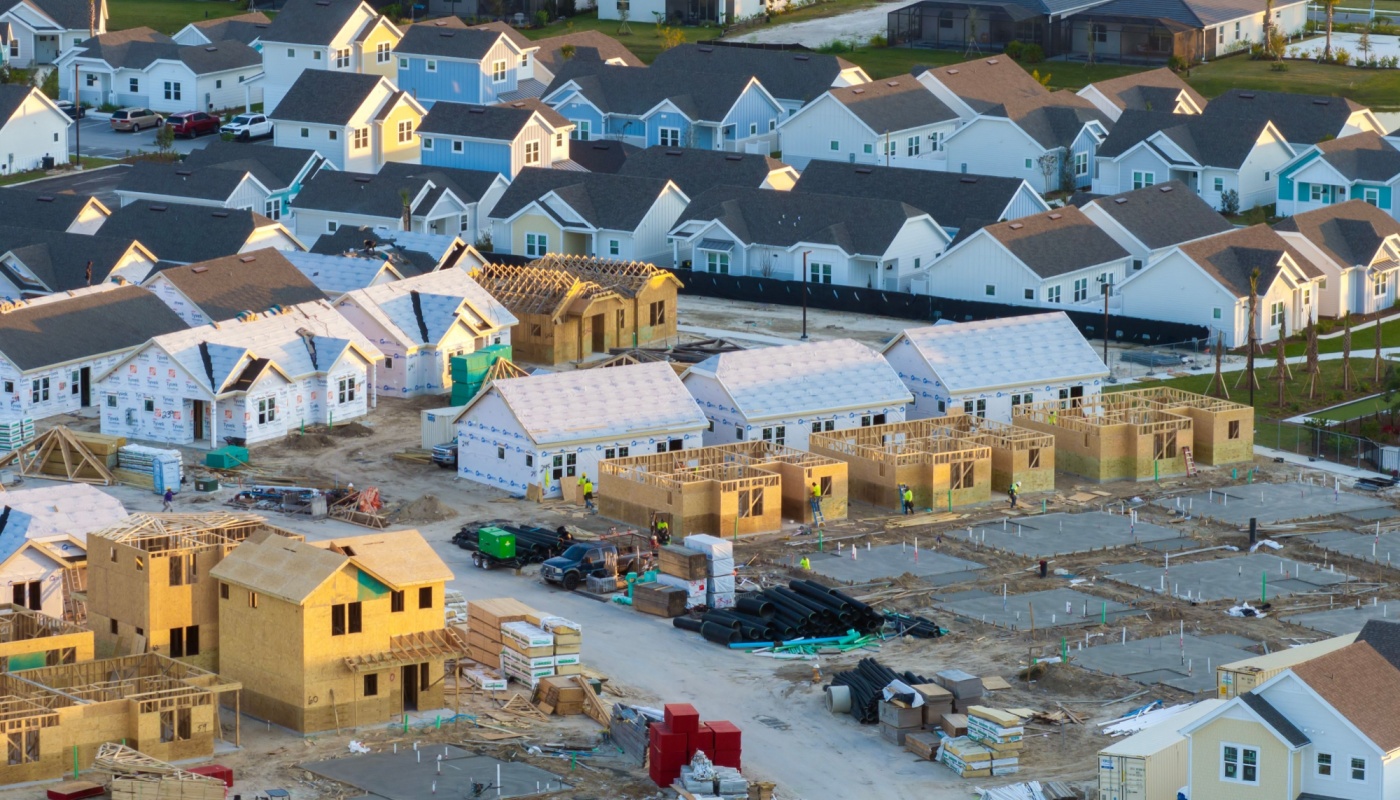
Housing availability and cost have gained greater influence on business decisions, alongside workforce availability and quality of life, as well as taxes and infrastructure. Employers and site selectors continually assess whether workers can find suitable housing within a reasonable commute, especially for large projects.
When the housing supply is limited. And demand outpaces supply. Prices surge and exceed local wages; projects stall or move elsewhere. This constraint affects all types of markets, especially rural and mid-sized areas. It also affects retention. Workers who cannot find suitable housing often leave, increasing turnover costs for employers and reducing local income growth.
Local data reveals the gap. Median home prices outpace wage growth in many regions. Rising renovation spending of $40,000-$75,000 after purchase signals unmet needs in existing inventory. Meanwhile, permitting delays and higher development costs restrict new supply. These limit housing choices across incomes.
Economic development organizations can address this issue as part of a broader strategy. Housing is not separate from workforce development or business attraction. It is a core input.
Expand Supply Through Targeted Local Programs
Communities often recruit a homebuilder or rely on residents and newcomers buying existing homes. Both depend on outside decisions. A third approach focuses on local demand and removes barriers for those who want to build or buy locally.
Incentive programs can support this approach. Land deposit assistance, small grants, and low-interest loans can help qualified buyers reduce upfront costs. A vetted vendor network can simplify the building process. Local housing-related businesses can participate as preferred contractors, thereby improving quality control and reducing uncertainty for buyers.
Policy adjustments also matter. Expedited permitting can cut approval times and lower carrying costs. Zoning updates can align new construction with community goals, such as minimum-size standards or workforce-housing targets. Fee waivers for projects that meet defined criteria can further improve feasibility.
Other housing funding options include:
- Direct funding tools to fill financing gaps.
- Grants to support projects that include affordability requirements or sustainable building practices.
- Low-interest loan pools to extend capital to developers who cannot secure traditional financing.
- Land trusts or public land contributions to reduce the total project cost and preserve long-term affordability.
These tools require capital, coordination, and clear governance.
Use Fundraising to Finance Housing Incentives
Many communities lack flexible funding for housing initiatives. Traditional public sources often come with restrictions or long timelines. A structured fundraising campaign can provide a dedicated pool of capital to deploy locally.
RDG, a Convergent Company works with economic development organizations to design and execute campaigns of all types. To help fund housing initiatives, our process aligns public and private stakeholders around defined housing objectives. Funds raised can support grants, loan pools, fee offsets, and program administration.
This approach allows communities to test new models without waiting for external funding cycles. It also creates accountability. Campaign goals, fund use, and performance metrics are defined in advance. As projects move forward, organizations can track unit production, price points, and time-to-delivery.
Housing programs supported by local fundraising can complement existing tools such as tax increment financing and inclusionary zoning. The result is a more complete strategy that addresses both supply and access.
Reach Out for Campaign Information
Contact RDG, a Convergent Company, to discuss how a dedicated fundraising campaign can advance housing initiatives in your community. Schedule a consultation to explore how to structure effective incentives, align public and private stakeholders, and create clear performance measures that drive progress.