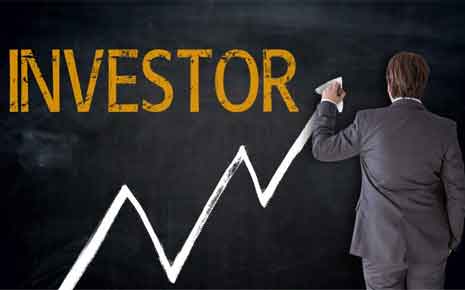
With public sector dollars under pressure and anti-growth voices growing in intensity, economic development organizations are under increasing pressure to demonstrate measurable value. Stakeholders now expect clear evidence that investments deliver meaningful economic results. Funding is justified by outcomes, not activities.
An outcome-based investment framework enables economic development organizations to link funding requests to measurable economic gains. Rather than tracking completed programs or meetings, this approach measures results such as jobs created, wages earned, tax revenue generated, improved housing availability, and increased workforce participation.
When outcomes are clearly defined, independently verified, and tied to regional priorities, economic development organizations can present a stronger business case for continued investment and stakeholder support.
Select Metrics That Investors Trust
Selecting metrics that stakeholders find credible and relevant is essential to any outcome-based investment framework.
Economic development organizations should prioritize standardized measures used by economists, government agencies, and investors, such as employment growth, wage increases, local spending impact of salaries tied to new jobs, and tax revenue generation. These indicators directly link economic development activities to community benefits.
Clear outcomes create accountability. Investors know what success looks like before a project begins, and funding decisions are based on verified results rather than assumptions.
Organizations should avoid relying primarily on anecdotal evidence, survey responses, or activity-based reporting. While these can provide context, they often lack consistency and do not demonstrate economic value. Proven economic impact models are more reliable because they use actual spending data, industry classifications, and regional economic relationships to estimate outcomes.
When stakeholders see how investments lead to measurable economic outcomes, their confidence in the organization grows.
Connect Outcomes to Workforce, Housing, and Infrastructure
Effective outcome frameworks acknowledge that economic development involves more than business attraction announcements.
Investments in workforce, housing, and infrastructure generate measurable economic effects across multiple sectors.
For example, a workforce development initiative that places 250 individuals in advanced manufacturing careers directly increases employment. The broader impact includes employers gaining needed talent, increased production capacity, higher wages entering the local economy, and workers spending income on housing, transportation, food, and services.
This results in additional economic activity that supports local businesses and generates tax revenue.
Housing offers another example. An initiative to construct workforce housing can increase availability for employees near major employment centers. Greater housing capacity helps employers recruit talent, reduces labor shortages, supports population growth, and stimulates construction-related economic activity. Over time, these outcomes strengthen regional competitiveness.
By measuring these effects, economic development organizations demonstrate value beyond the initial investment.
Use Outcomes to Build Long-Term Investment Support
Outcome-based investment frameworks shift funding discussions from activities to results.
This shift provides a stronger foundation for public-private partnerships, as investors can clearly see the economic return on their contributions.
Regional competitiveness also becomes easier to quantify. The impact of a $1 million investment varies by industry and location. Input-output analysis helps organizations estimate how spending moves through local supply chains, supports employment, and generates additional economic activity in a specific region.
This information enables economic development organizations to present localized impact estimates that reflect actual economic conditions.
Organizations that consistently report verified outcomes foster a culture of accountability and performance. Investors gain confidence that resources support initiatives with measurable economic value. Boards have stronger decision-making tools, and communities gain greater visibility into the results of economic development efforts.
As funding competition intensifies, organizations that link investments to measurable outcomes will be better positioned to secure long-term support from public and private partners.
Connect With RDG, a Convergent Company
Economic development organizations require reliable methods to measure impact, communicate value, and build investor confidence. RDG, a Convergent Company, helps organizations develop data-driven investment strategies, economic impact analyses, and outcome-based frameworks to support informed decision-making.
Contact RDG to learn how outcome-based measurement can help your organization demonstrate results and attract future investment.